


Unveiling Trends, Overcoming Challenges, and Crafting Solutions in the Sisig in a Jar Market"

Updated: May 7, 2024
Written by: Carl Angelic Lope

Here are some valuable insights and industry trends about the product "Sisig in a Jar".
1. Convenience is King: With busy lifestyles, consumers are increasingly seeking convenient meal options. Sisig in a jar offers a ready-to-eat solution that can be enjoyed quickly and easily, catering to this demand.
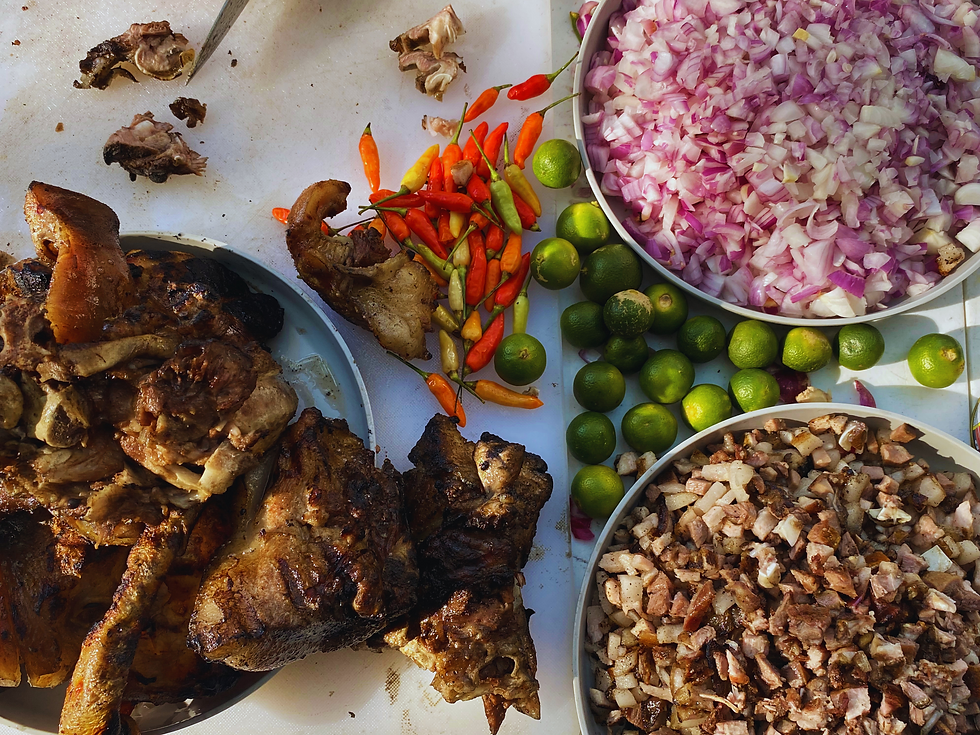
2. Cultural Fusion: Sisig, a Filipino dish traditionally made with chopped pork, onions, and chili peppers, is gaining popularity globally due to its unique flavor profile. Sisig in a jar capitalizes on this trend by offering a convenient way for consumers to experience this culinary delight.
3. Sustainability: Sustainability is a key concern for many consumers. Sisig in a jar brands are increasingly focusing on sustainable sourcing of ingredients, eco-friendly packaging, and reducing food waste to appeal to environmentally conscious consumers.
4. Customization and Innovation: Consumers are looking for unique and customizable food experiences. Sisig in a jar brands are innovating by offering various flavors and ingredients, allowing consumers to customize their sisig according to their taste preferences.
5. Online and Direct-to-Consumer Sales: The rise of e-commerce has made it easier for niche products like sisig in a jar to reach consumers directly. Many brands are leveraging online platforms and social media to market and sell their products, bypassing traditional retail channels.
Challenges and Solutions in the Sisig in a Jar Industry
Challenge 1: Preservation of Flavor and Texture
Challenge: Maintaining the authentic taste and texture of sisig while preserving it in a jar presents a challenge due to the potential for texture degradation and flavor alteration over time.
Solution: Invest in research and development to formulate recipes and processing techniques that preserve the integrity of sisig. This includes using high-quality ingredients, optimizing cooking methods, and employing suitable preservation techniques to ensure consistent flavor and texture.
Challenge 2: Shelf Life Extension
Challenge: Achieving an adequate shelf life without compromising product quality or safety can be challenging, especially with a product containing perishable ingredients like meat.
Solution: Implement advanced packaging technologies, such as vacuum sealing or modified atmosphere packaging, to extend shelf life while maintaining freshness. Additionally, employ natural preservatives or food-grade additives to inhibit microbial growth and oxidative processes.
Challenge 3: Distribution and Logistics
Challenge: Ensuring efficient distribution and logistics to reach target markets while maintaining product quality and minimizing costs.
Solution: Establish partnerships with reputable distributors and logistics providers to optimize supply chain operations. Implement robust quality control measures and temperature-controlled transportation to safeguard product integrity during transit. Additionally, explore direct-to-consumer channels and online sales platforms to expand market reach and reduce reliance on traditional distribution networks.
Challenge 4: Competition and Differentiation
Challenge: Competing in a crowded market with various ready-to-eat meal options requires effective differentiation and value proposition.
Solution: Differentiate the product by focusing on its unique selling points, such as authentic flavor, premium ingredients, or innovative packaging. Highlight the convenience and time-saving benefits of sisig in a jar compared to traditional cooking methods. Additionally, innovate with new flavor variations or complementary product offerings to cater to diverse consumer preferences.
Challenge 5: Regulatory Compliance
Challenge: Adhering to stringent food safety and regulatory standards while manufacturing and distributing sisig in a jar.
Solution: Ensure compliance with relevant food safety regulations and quality standards by implementing robust food safety management systems. Conduct regular audits and quality assurance checks to monitor compliance throughout the production process. Maintain transparency in labeling and ingredient declarations to build consumer trust and confidence in the product.


Comments